
Merged teams · 2026
A retreat for a newly merged leadership team.
After a merger or reorganization, a leadership team is one team on the org chart and several factions in practice. The first 90 days set its norms. A retreat built around a shared experience, then the conversations each side has been avoiding, can make it one team before the wrong habits harden.
The short answer
- When: in the first 90 days after the merger closes or the new team is named. The second-best time is now.
- What it fixes: legacy loyalties, two ways of deciding, polite distance, and assumptions each side carries about the other.
- What it does not fix: unresolved structure. Roles, reporting lines and who owns which decisions should be settled, or settled at the retreat, not left open.
Signs the merged team is not one team yet
Integration plans track systems and synergies. These are the signs that track the team.
- Us and themLeaders still say “our side” and “their side”, months after close.
- Two decision stylesOne legacy company decides fast and informally, the other by process, and each reads the other as a problem.
- Decisions go around the tableReal decisions happen in legacy groups before or after the meeting.
- People are leavingGood people below the team are reading the split and voting with their feet.
How a retreat for a merged team works
- Confidential interviews with every leader. Including what each side believes about the other, so the legacy assumptions are known before the retreat.
- One outcome for the combined team. If we accomplish nothing else on this retreat, we will ____. The answer belongs to the new team, not either legacy company.
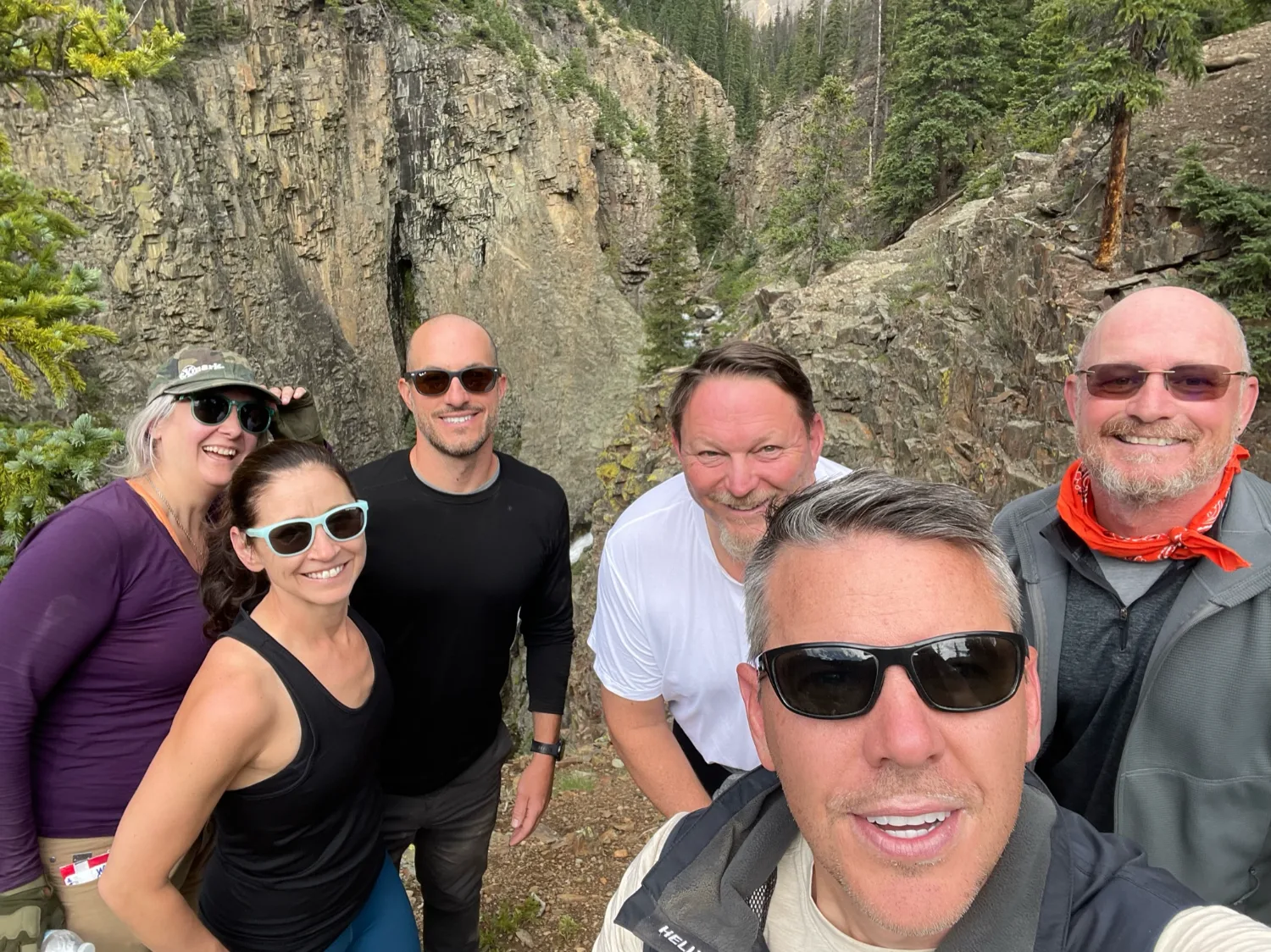
- A shared experience neither side owns. Neutral, demanding ground, such as a winter-survival day or a wilderness route, where nobody has home advantage and everyone has to rely on people from the other side.
- Name the legacy beliefs, then retire them. A facilitated conversation, while the experience is fresh, about how each side decides, communicates and keeps score.
- Shared operating norms and one behavior per leader. How the new team will decide and disagree, then 30 days of tracking and a written day-30 report.
What it looked like for two newly combined teams
Four rival branches, one team. Five executives at a U.S. federal agency, drawn from four formerly competing branches and working virtually across four time zones, were handed a $1 billion fiscal mandate with near-zero trust. A series of retreats, one in each executive’s time zone, built them into one leadership team, and the agency expanded the engagement to the next two layers of the organization. Read the case study.
Five executives from rival firms. An online auto retailer hired star executives from competing companies who treated the team as a contest. Two days stranded together on Lippincott Pass in Death Valley produced a 178% gain in teaming behaviors at day 30. Read the case study.
Why the first 90 days matter
A newly combined team forms its norms quickly, whether anyone designs them or not. Left alone, the defaults are usually turf protection, polite distance and decisions made in legacy groups. Every month of that costs slower decisions and duplicated work, and the cost rarely shows up until it shows up in results. More in why a new or post-merger team should not wait to gel.
If the merged team has already split into open conflict, see a retreat for an executive team in conflict. If it mainly needs to agree on direction, see an executive team alignment offsite.
Who runs it
Legendary Retreats designs and leads these retreats for leadership teams of 5 to 12. James Carter, the founder and an executive retreat facilitator with 25 years of work inside leadership teams, facilitates every one personally. Published tiers: Focused $35,000 to $50,000, Signature $45,000 to $150,000, Bespoke $75,000 and up, turnkey, airfare usually excluded.
Questions buyers ask
When should a newly merged leadership team hold a retreat?
In the first 90 days after close or after the new team is named, before the norms set. Later still works, but it starts by undoing habits rather than shaping them.
What should a post-merger leadership retreat accomplish?
One outcome the combined team names together, shared norms for how it decides and disagrees, the legacy beliefs each side holds about the other named and retired, and one behavior per leader tracked for 30 days.
Should the retreat be at one company’s headquarters?
No. Neutral ground where neither side has home advantage works better. For a dispersed team, a series of retreats hosted in each leader’s region can do the same job, as it did for a federal agency team drawn from four rival branches.
How is a merged-team retreat different from integration planning?
Integration planning covers systems, structure and synergies. The retreat covers whether the people at the top operate as one team, which decides whether the integration plan gets carried out.
How do you know it worked?
Each leader commits to one behavior, checks in daily for 30 days, and the team gets a written day-30 report against a baseline recorded beforehand. For a merged team, the clearest signals are decisions made in the room and the end of “our side” language.
Just merged, or just formed?
Tell us how the team came together and what it has to do. For Focused and Signature retreats you get a written proposal within 72 hours.